[weglot_switcher type="dropdown" flags="true" names="true"]

Quality Control for Mechnical & Machined Parts

Veriquality has a veteran team specializing in the machined & mechanical parts quality control. Our trained, specialized inspectors, supported by strict internal QA processes, deliver high-caliber inspections to ensure your valve quality and compliance.

Why Do You Need Quality Control for Mechanical Parts?

Mechanical parts quality control is crucial because these components directly affect the performance, reliability, and safety of assemblies in automotive, aerospace, machinery, and other industries. Even small deviations in dimensions, tolerances, or material properties can cause failures, wear, or safety risks. Effective QC ensures parts meet exact specifications, catches defects early, reduces costly rework and recalls, and delivers consistent, dependable products that build customer trust.
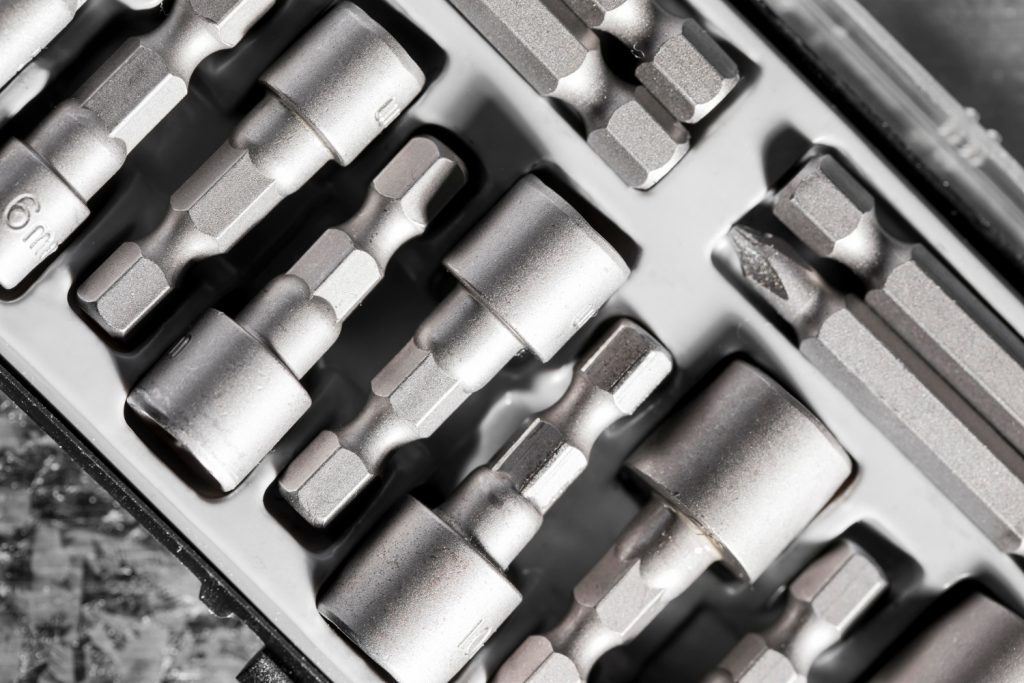
The benefits of our mechanical parts QC inspection service

  • Ensure dimensions meet tolerances to avoid customer rejections.
  • Cut defects and errors to minimize costly field failures.
  • Protect brand reputation by delivering reliable mechanical components.
  • Optimize production efficiency via early detection and reduced scrap.
  • Enhance customer satisfaction with consistently high-precision parts.
  • Mitigate safety risks through comprehensive material and functional inspections.

Why Choose Veriquality for Mechanical Parts Inspection

20+

Year's Experience

300+

QC Specialists

15

Countries Covered

3000+

Satisfied Clients

7/24

Service Support

Mechanical Parts QC Inspection Checklist

Our professional mechanical parts inspection services give importers full confidence in the components they source. With deep knowledge and experienced inspectors, we provide fast, accurate quality verification for shafts, gears, brackets, and other mechanical or machined parts. Our tailored in-process, pre-shipment, or full-batch checks eliminate defects, reduce returns, and ensure parts meet top engineering and performance standards.

Appearance & Finishing

First impressions matter, but surface quality also affects performance and longevity. 

  • Scratches, burrs, dents, cracks, and surface porosity
  • Machining marks, tool chatter, and grinding burns
  • Surface roughness and finish consistency
  • Edge quality, chamfers, and deburring effectiveness
  • Cleanliness and absence of oil, chips, or foreign particles

Dimensional and Geometric Verification

Precision is non-negotiable for mechanical/machined components. 

  • Critical dimensions and tight tolerances using CMM and precision instruments
  • Geometric tolerances (flatness, straightness, roundness, cylindricity)
  • Thread quality, pitch, and engagement accuracy
  • Hole positions, depths, and concentricity
  • Weight consistency for balanced components

Form, Fit, and Functional Performance

A part must not only be accurate but also work perfectly when assembled. 

  • Proper mating and fit with related components
  • Smooth operation and movement (rotation, sliding, locking)
  • Alignment and runout on rotating parts
  • Functional testing under simulated working conditions
  • Assembly feasibility and ease of installation

Material Integrity, Safety, and Compliance

We ensure parts are strong, safe, and compliant with required standards:
  • Material hardness and heat treatment verification
  • Detection of internal defects using non-destructive testing
  • Fatigue resistance and structural integrity
  • Elimination of sharp edges and safety hazards
  • Full traceability and certification documentation

Common Defects in Mechanical Parts QC Inspection

Since 2006, our mechanical parts inspection services have helped clients avoid countless quality issues on their orders, significantly reducing customer complaints and preventing costly product recalls.

  • Cracks, porosity, and blowholes
  • Burrs, flash, and sharp edges
  • Scratches, dents, gouges, and surface pitting
  • Corrosion, discoloration, or oxidation
  • Grinding burns, tool marks, or chatter marks
  • Contamination (oil, chips, foreign particles)
  • Out-of-tolerance lengths, diameters, or thicknesses
  • Incorrect hole depths, positions, or diameters
  • Wrong thread pitch, major/minor diameter, or engagement length
  • Inconsistent weight or mass (especially cast or forged parts)
  • Flatness, straightness, or roundness errors
  • Poor parallelism, perpendicularity, or concentricity
  • Excessive runout or misalignment on rotating parts
  • Distortion or warping after heat treatment/machining
  • Incorrect hardness or improper heat treatment
  • Internal voids or inclusions (detected via NDT where required)
  • Insufficient fatigue resistance or material weakness
  • Poor surface finish (Ra value out of spec)
  • Incorrect hardness or improper heat treatment
  • Internal voids or inclusions (detected via NDT where required)
  • Insufficient fatigue resistance or material weakness
  • Poor surface finish (Ra value out of spec)
  • Poor mating fit or interference problems
  • Binding, excessive play, or misalignment in assemblies
  • Functional failure under simulated operating conditions
  • Sharp edges or pinch points that create safety hazards

FAQS on Mechanical Parts Quality Control

1. What is included in a standard mechanical parts inspection?
There are 6 core categories: Quantity Verification, Appearance and Finishing, Dimensional Accuracy, Form, Fit and Function, Safety and Compliance, Packing and Labelling. These fix aspects cover the overall quality of mechanical parts comprehensively.
It depends on the PO quantity, type, and test scope. Most inspections take 1 man-day only, with a detailed report delivered within 24 hours after testing.
Inspection can be carried out at three key stages: in-process inspection (during production), pre-shipment inspection (before delivery), and full-batch verification (for key batches or high-risk parts).

For mechanical parts inspection in China, our service fee starts at USD180/man-day all inclusive for most manufacturing hubs.  For mechanical parts QC services in India, Bangladesh, Vietnam, Pakistan, Pakistan, Myanmar, Indonesia, Phillipines, Cambodia, our service fee is US$180/man-day plus travel costs ranging from US$20 to US$50 in most cases.

It includes checking geometric tolerances (flatness, straightness, etc.), assembly compatibility with mating parts, free operation of moving parts, functional performance (load, torque, etc.), and sealing performance (if applicable).

With our comprehensive and photo-included reports, you can make the decision on whether to accept or reject the goods; or request the factory to rework the batch. A followup re-inspection would be recommended after rework if the initial inspection inspection fails.

Total Quality Assurance for Mechanical Parts

Quality Inspections

We inspect mechnical parts on-site to verify that your products comply with your specifications and pre-defined quality standards throughout each phase of production.

Factory Audits

We conduct comprehensive audits of mechanical parts manufacturers prior to order placement, verifying their production capability, quality consistency, and readiness of quality management systems.

Global Coverage, Local Knowledge

With over 300+ trained and qualified inspectors and auditors across 15+ countries and regions; we guarantee to deliver quality control services within 48 hours. 

Have Questions or Book Inspections for Mechanical Parts?

Get a free, no-obligation quote and schedule your inspection within 24 hours.

Talk to a mechanical parts QC expert

Contact Veriquality to secure your imports from Asia with Product Inspection, Factory Audit and Product Testing services.

Scroll to Top